Sponsored article
In the ever-evolving landscape of food manufacturing, staying competitive means embracing technological advancements. Advanced packaging machinery has emerged as a pivotal solution, offering streamlined processes that boost efficiency and reduce waste. By leveraging cutting-edge technology, manufacturers can not only enhance product quality but also significantly impact their bottom line. Dive into the transformative world of packaging machinery and discover its potential to revolutionize food production.
Advanced packaging machinery represents a pivotal advancement in the realm of food manufacturing, delivering unparalleled efficiency and precision in the production process. These state-of-the-art machines are engineered to automate, streamline, and enhance packaging tasks, ensuring consistency and minimizing human error. By integrating cutting-edge technology innovations, such as real-time data monitoring, robotics, and AI-driven quality checks, these machines ensure the seamless operation of high-speed production lines. This technological leap not only bolsters productivity by reducing downtime and waste but also allows manufacturers to adapt swiftly to changing market demands and regulations.
One of the leading suppliers of these transformative solutions is Rafpol Distribution LTD, which provides a comprehensive range of advanced packaging machinery tailored to the specific needs of food manufacturers. Rafpol Distribution LTD, with its expertise in brands like Radpak and Sigitas Pak, offers systems that are customizable and scalable, ensuring that manufacturers can achieve optimal efficiency in their operations. By embracing these innovations, companies not only stay competitive but also elevate the quality and safety of their food products, ultimately benefiting both the producers and consumers alike.
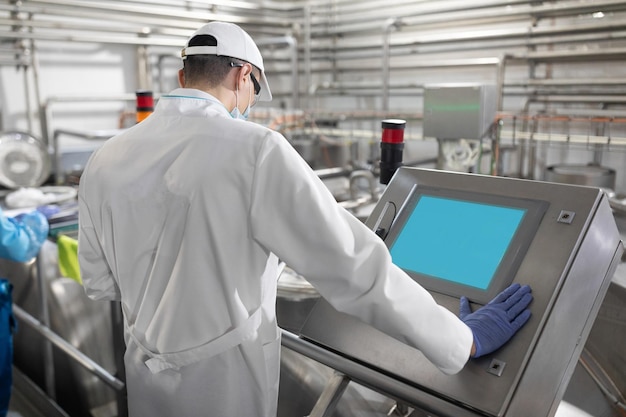
The integration of automated systems in food production processes offers significant advantages, fundamentally transforming how manufacturers operate. By implementing cutting-edge automation technologies, companies can significantly enhance productivity. Automation minimizes the risk of human error, ensuring consistent quality and allowing production lines to operate 24/7, something that was once a considerable challenge. These systems streamline complex tasks such as ingredient measurement, mixing, cooking, and packaging, thereby accelerating the overall manufacturing process. This increased efficiency directly contributes to heightened productivity, enabling manufacturers to meet growing consumer demands with ease.
Beyond productivity, automated systems are pivotal in achieving substantial cost reduction for food manufacturers. By reducing reliance on manual labor, companies can cut expenses associated with workforce management, such as wages and benefits. Additionally, automation reduces waste and improves resource utilization by precisely controlling ingredient usage and packaging processes. The precision and efficiency offered by these systems result in lower operational costs, contributing to a more sustainable and profitable business model. Ultimately, these advancements in automation equip food manufacturers with the tools needed to stay competitive in a rapidly evolving market.
In the contemporary landscape of food manufacturing, sustainability and waste reduction have emerged as pivotal concerns, demanding innovative solutions to streamline production while minimizing environmental impact. Modern packaging machinery plays a crucial role in this quest by integrating advanced technologies designed to enhance sustainability. These machines are equipped with systems that use precise measurements to ensure minimal use of materials, leading to substantial waste reduction. By optimizing material usage and reducing excess packaging, companies can significantly lower their carbon footprint, supporting a more sustainable manufacturing process.
Eco-friendly packaging solutions are at the forefront of these innovations, with machinery that enables the use of biodegradable and recyclable materials without compromising product integrity. Techniques such as vacuum packing and modified atmosphere packaging help extend product shelf life, reducing food waste across the supply chain. These strides in sustainable packaging not only benefit the environment but also appeal to conscious consumers who value eco-friendly packaging, thus promoting a cycle of sustainability throughout the food manufacturing industry.